Patient/Parent Interview: Jay
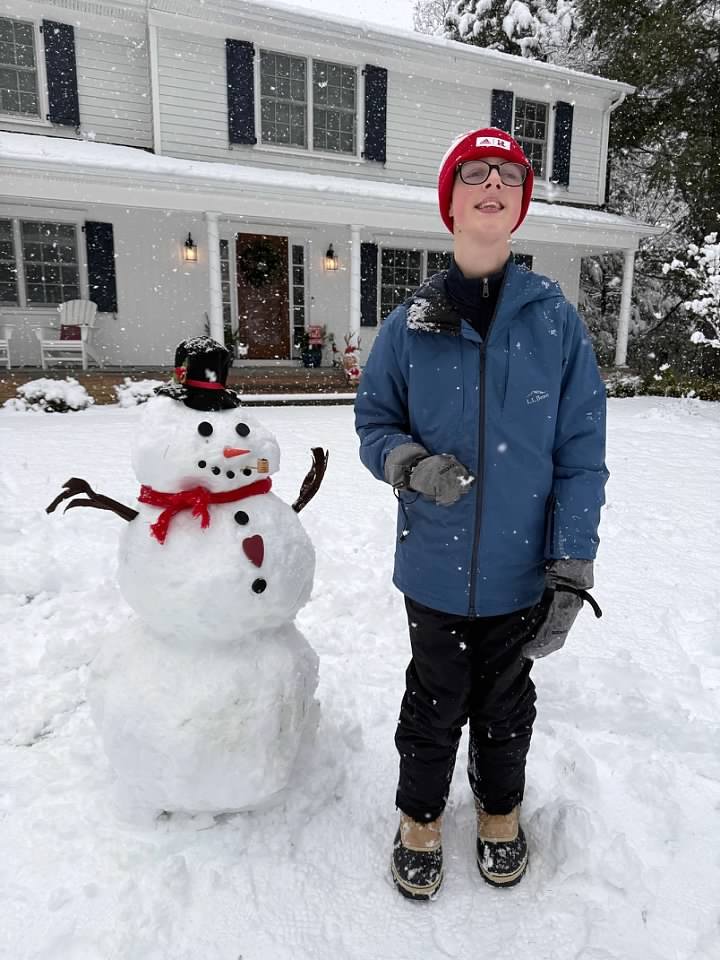
Jay is a 15 year old man living with a DYNC1H1-related disorder.
His mother, Cate, was interviewed by Caroline Barabell, an intern with the DYNC1H1 Association through the Orphan Disease Center’s Genetic Counseling Student Exchange (GCSX) Program.
Can you tell me some background about Jay and how he was first diagnosed?
“When he was first born, he was overall a typical baby. He was hitting some milestones a bit late, but his overall development was normal. Then around 9 months old he rapidly developed bilateral cataracts and then when he was a year old, his developmental milestones were more significantly delayed. We got referred to genetics and they found a variant in DYNC1H1 using whole exome sequencing in about 2014. At the time they had so few patients, so they were not sure if that was the answer, but after reanalysis a few years later, they were able to confirm the diagnosis.”
Can you share more about what symptoms Jay has experienced and what has been most difficult to manage?
“Early on, with the cataracts, vision was our biggest issue. After that, it became clear that he had severely verbally apraxia, so he did not speak at all until he was six and a half, but he clearly understood everything we were saying. When he did start talking, he was able to talk in full sentences, but it took hours of therapy. To this day, one of our biggest struggles is that he has whole body apraxia, so any fine and gross motor skills are still challenging for him. Even verbally, he is speaking but still struggles to find the words. Finally, he really struggles with ADHD. We have access to great therapies, but we have not seen much progress. It’s also been difficult to find appropriate treatments for his ADHD, because there does not seem to be a combination that works without having severe side effects. For him there is a lot of interwovenness between his social skills and his attention, and I think a lot of that is rooted in this idea that he really can’t control his body.”
What does a typical week like look for Jay?
“He goes to a private special education school, Monday through Friday. He still does speech therapy outside of school just once a week. That program has more social, community groups, so we’re hoping he’ll find some community there. He also goes to a workout class for young adults with disabilities, where he lifts weights, so that has been a great community.”
What are some of his favorite things?
“YouTube, YouTube, YouTube! He also loves video games, TV, podcasts, and reading, He especially likes world record books, he probably has the Guinness World Record book memorized cover to cover, its impressive. He loves anything do to with trains: model trains, watching TV shows about trains, and being on trains.”
How did receiving a DYNC1H1 diagnosis impacted your life?
“At the time, the diagnosis meant very little to me, because I had this child with a set of symptoms, and I was focused on treating those. There is nothing we could do to change this genetic variant, and there’s not a treatment. Things like the parent group online have been helpful over the years and have been getting better as more people have joined. It’s helpful to know what other parents are trying and if they have had a similar experience to mine, where nothing works. I feel less in a situation where I’m missing a treatment option. It is also helpful to have people who are in different parts of the country, seeing different doctors and are coming up with different ideas.”
Have you connected with other parents either through the DYNC1H1 Association or through other organizations and what has that experience been like?
“The DYNC1H1 online group has been helpful to some extent; however, our kids’ range is so enormous in what the disability looks like. I feel like that been helpful to hear from others about current research or new information that has been coming out. Locally I have been very involved in the parent advocacy organization through our school. It’s a group of 10 or 15 families that I’ve known since Jay entered the school system and have given me the most advice in terms of resources, or what accommodations I should request.”
What has your experience been like with the DYNC1H1 Association?
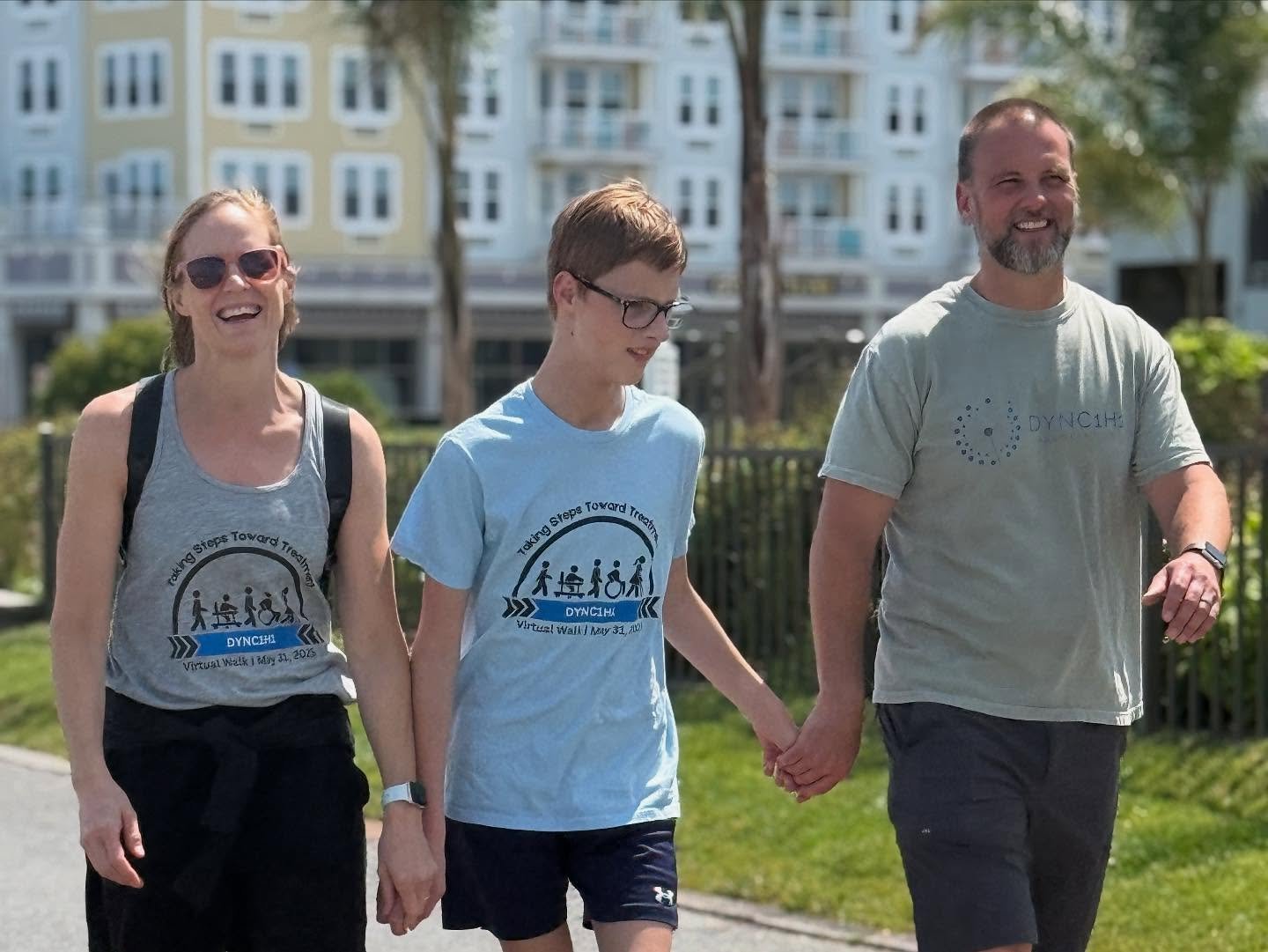
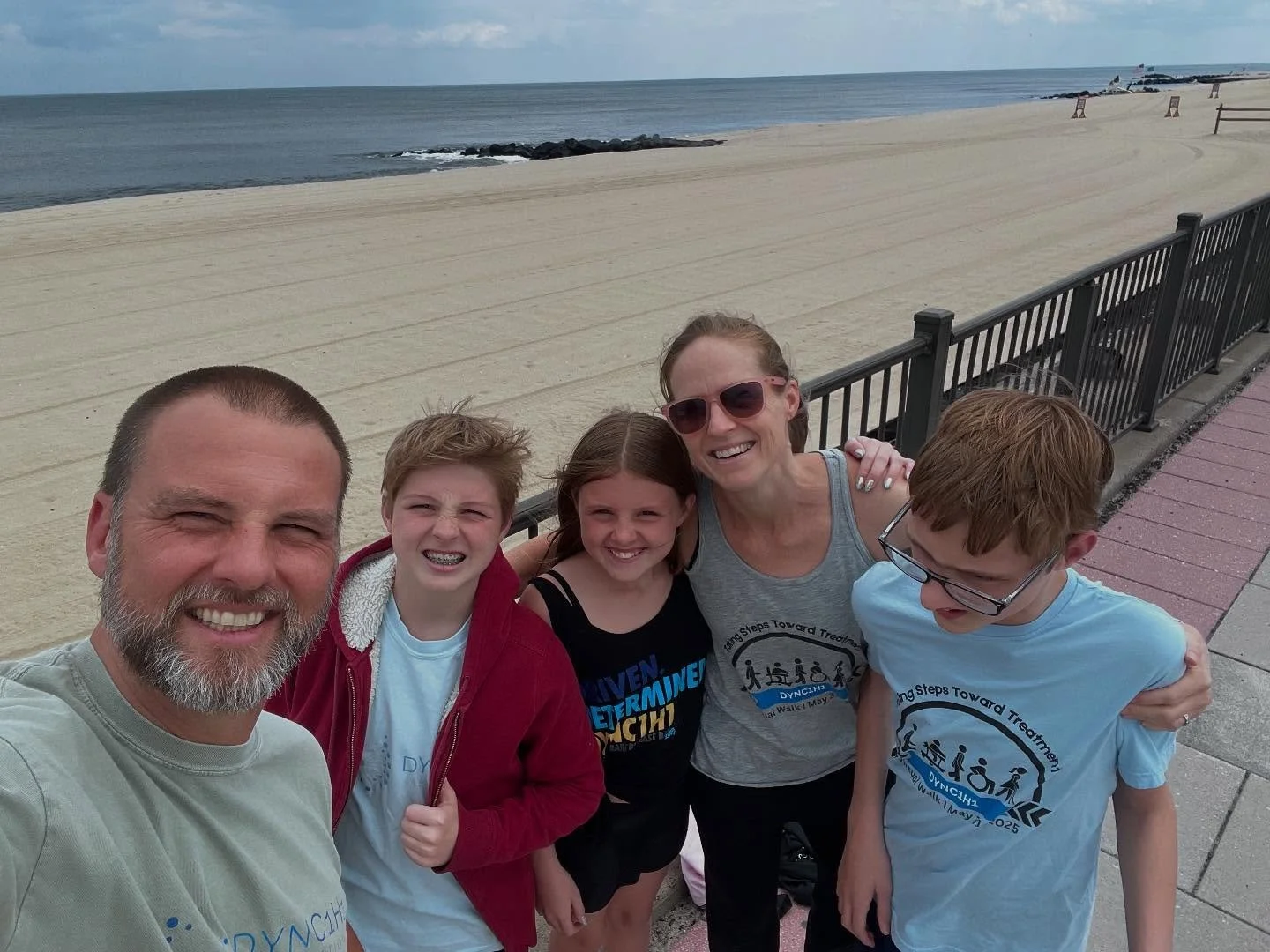
“Most of my work has been volunteering with the association. We did a fundraising walk last year and I plan on making a team again for that. I have focused a lot on just trying to raise money because I know that will have the greatest impact.”
What are some of your considerations when thinking about the future?
“I think every disability parent I’ve ever talked to, no matter what the diagnosis is asks what will happen to them when they are released from the system? The question of independent living is our main concern. I want him to have a community of people who care about him and want to be around him, and where do we find that? How and where will he find employment? Could he find a day program that he really enjoys? One of our struggles with Jay is that he academically can do well. His reading comprehension is at grade level, so it has been a challenge for schools to understand that if he doesn’t communicate typically, he can still learn. I want him to be able to be challenged and have something fulfilling in his life.”
What advice would you give to a parent of a child who was newly diagnosed?
“Find your community. Find local parents, it doesn’t even have to be a similar disability. Just find parents who are doing it too because there is no one else who will understand how hard it is to parent a disabled child. A lot of people just assume parenting is parenting but it’s not. Finding those people that you can call when you’re struggling ,or that you can ask questions to, is critical. Those are the people that will get your through the hardest parts.”
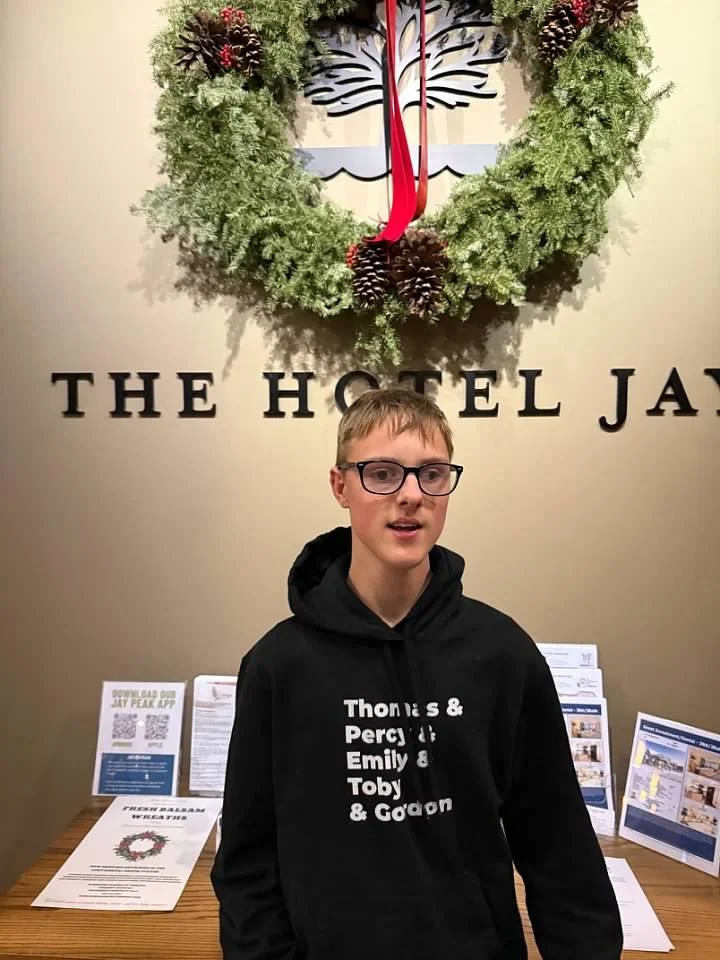
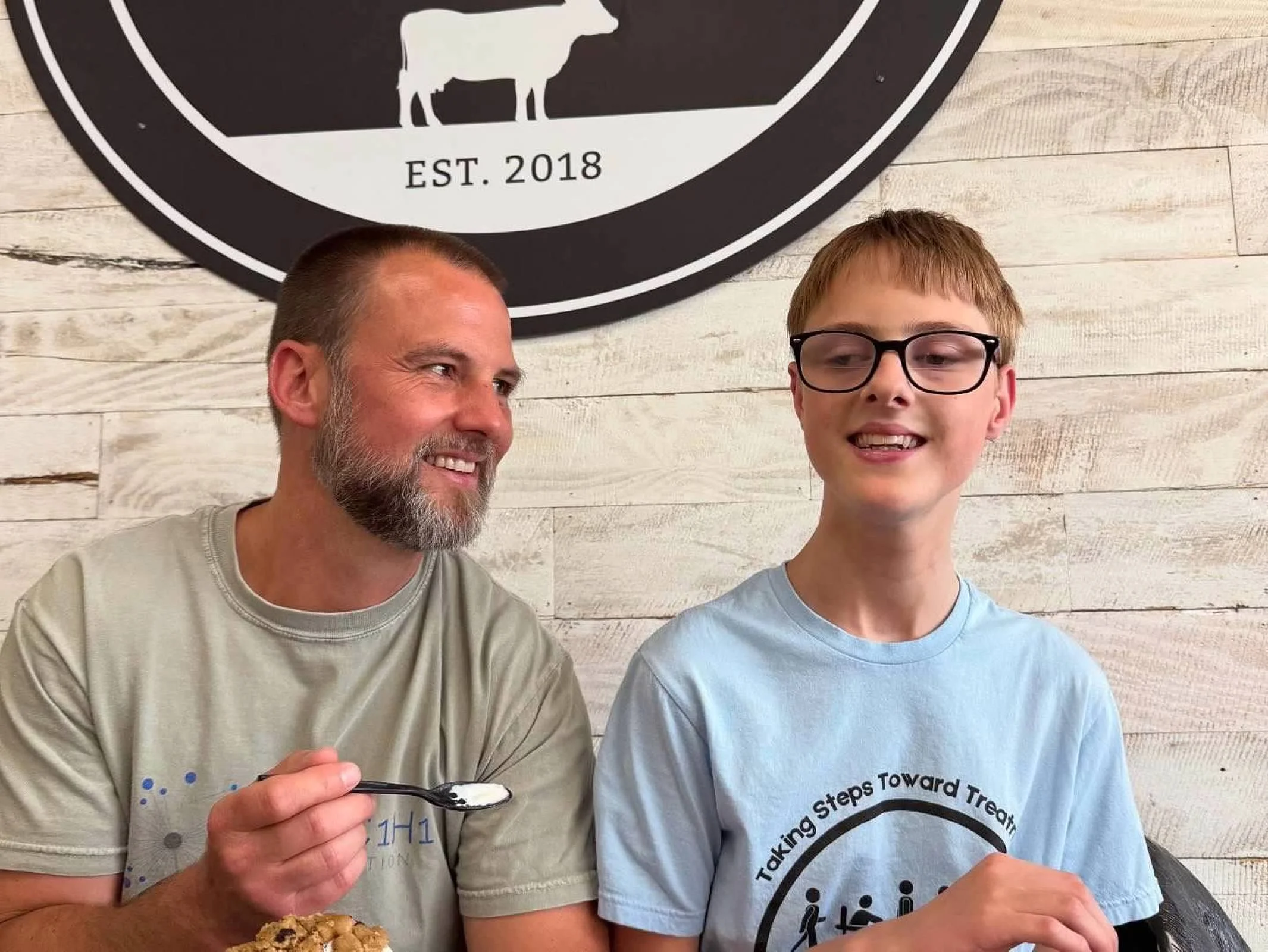
We thank Caroline for conducting the interview, as well as Jay & his mom, Cate, for sharing their experiences. If you are a family interested in sharing your story, we’d love to hear from you! Email us at contact@dync1h1.org.
Want to support finding cures for people like Jay? Donate to the DYNC1H1 Association, the only 501c3 Nonprofit dedicated to accelerating research for treatments in DYNC1H1-related Disorders.