Patient/Parent Interview: Kamasi
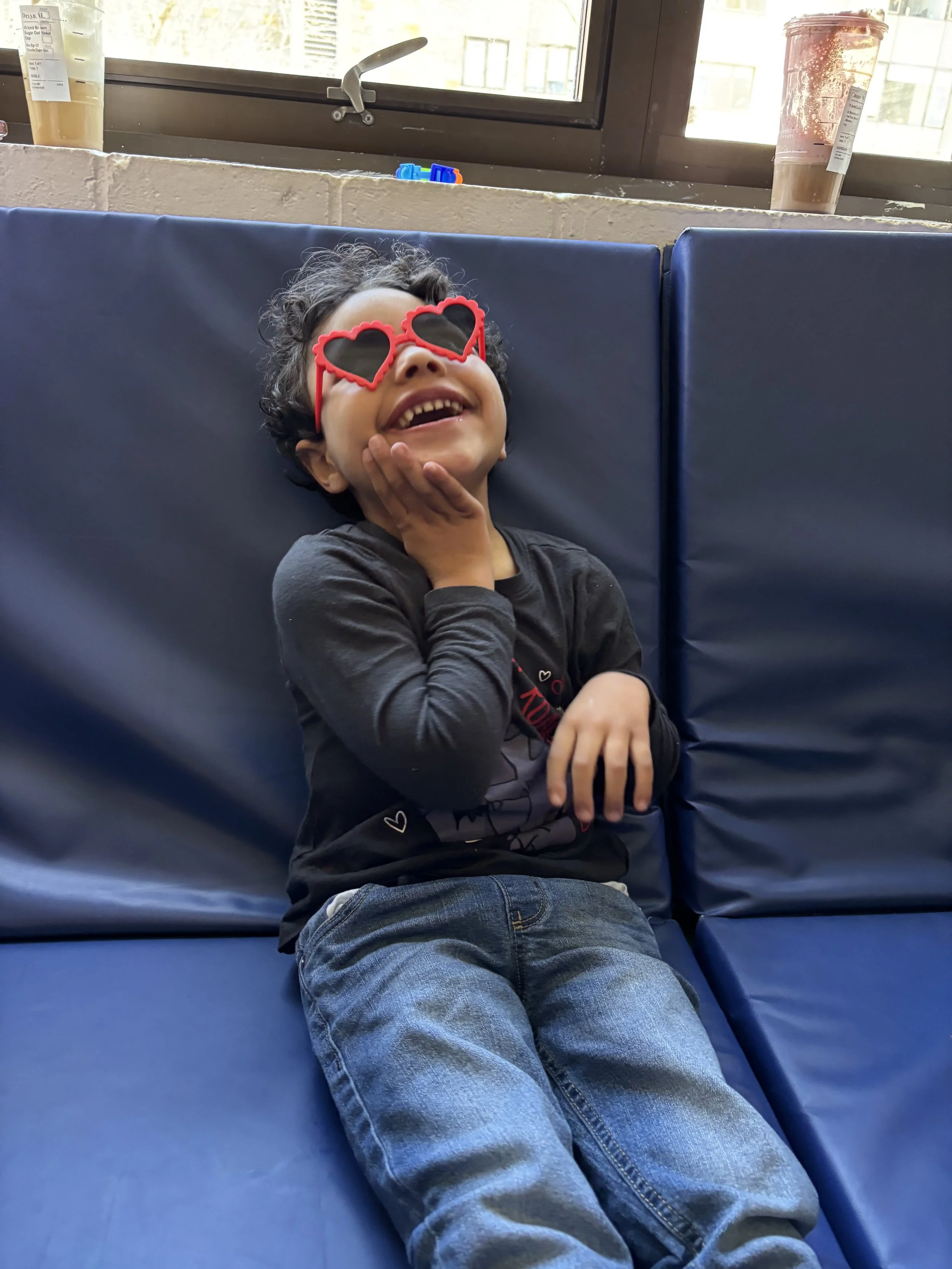
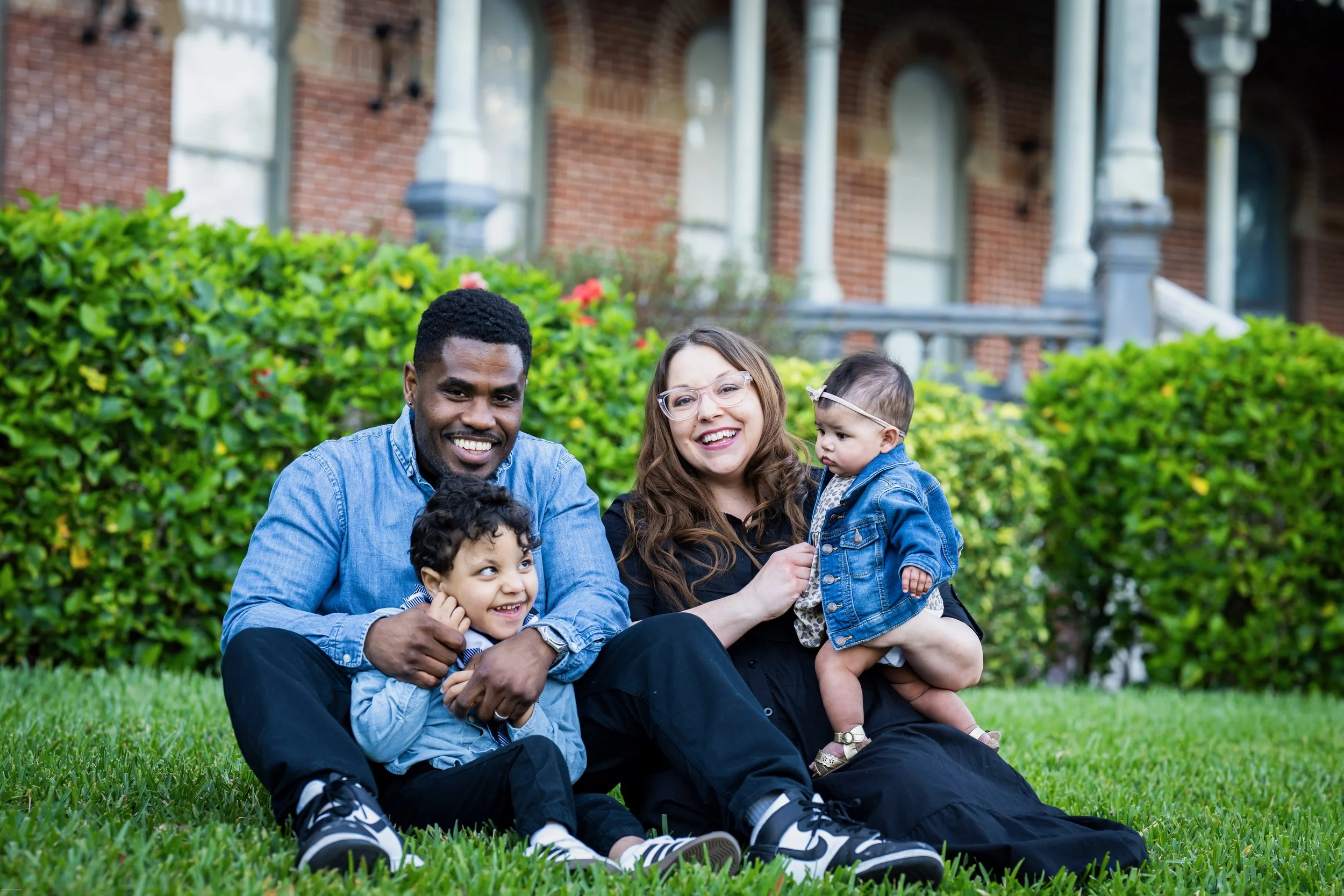
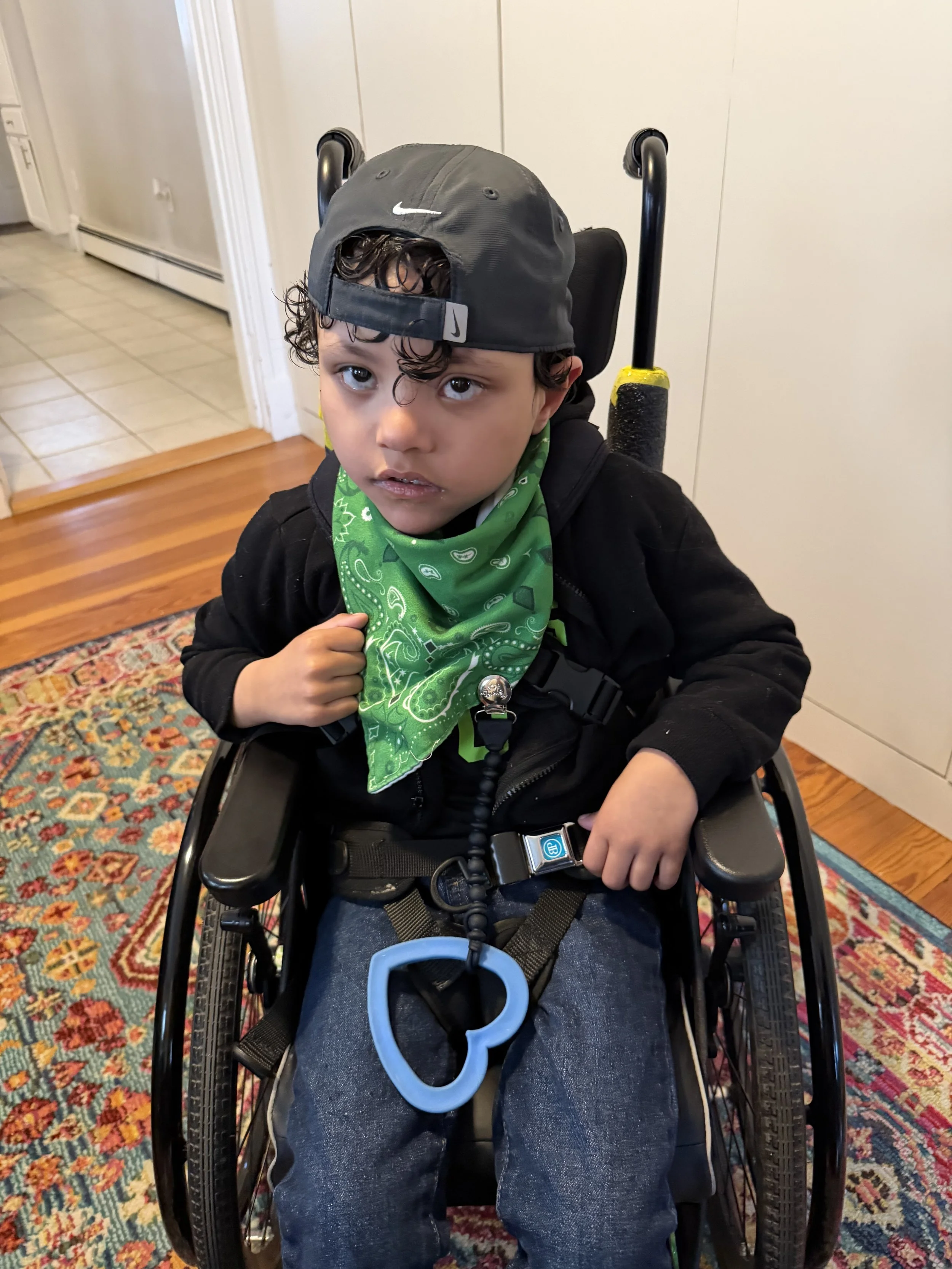
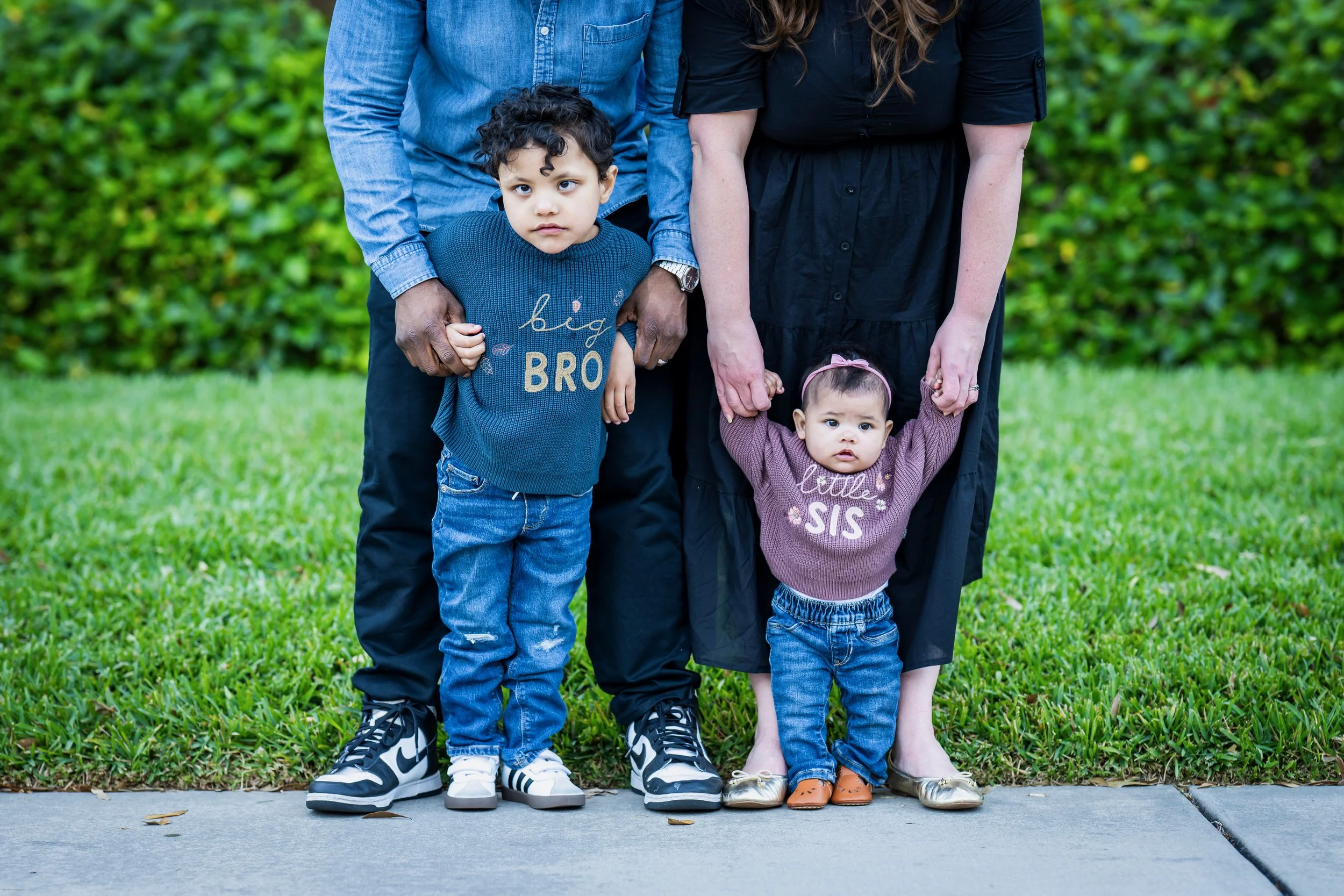
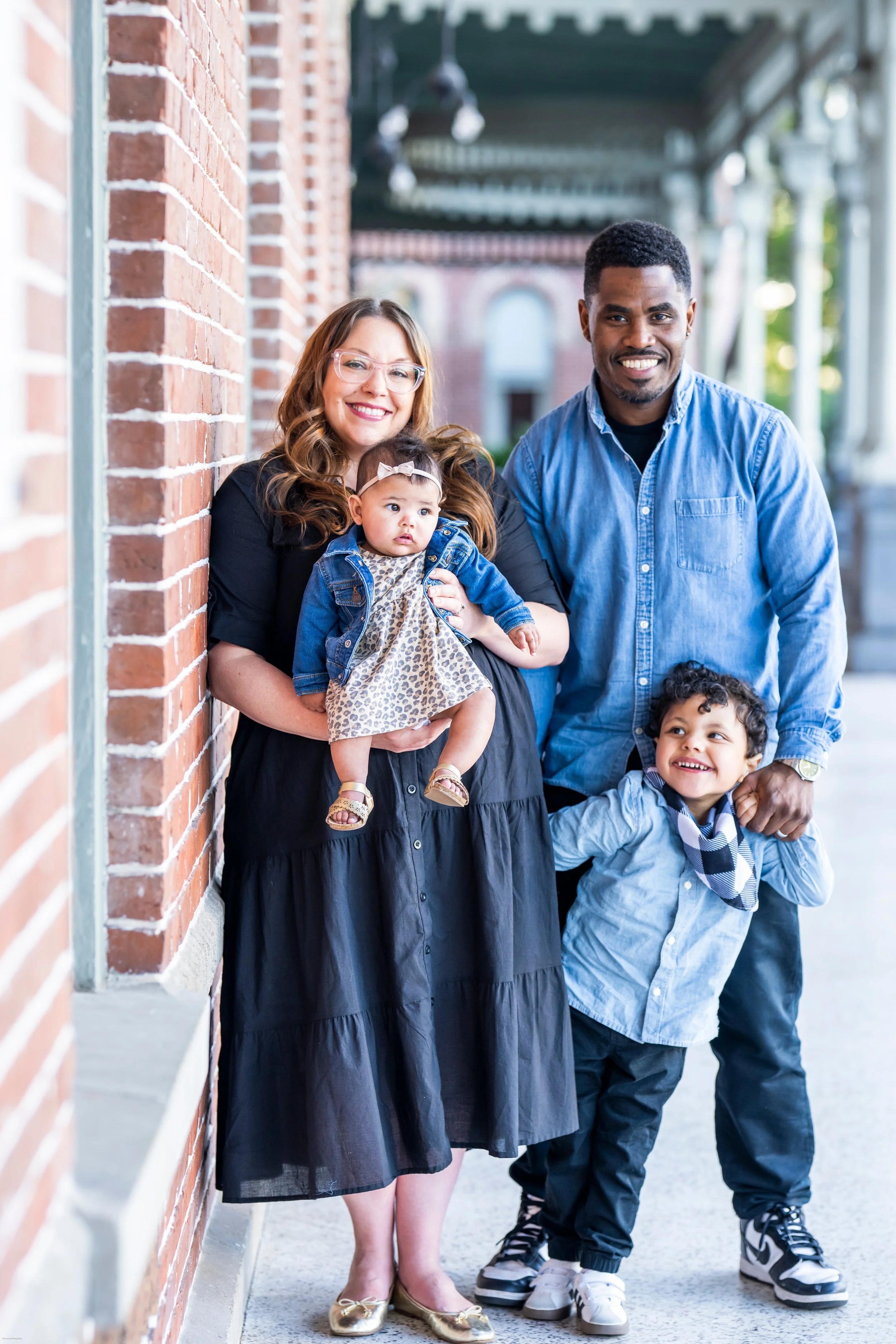
Katie shared about her son, Kamasi, Age 4.5
Can you share background about Kamasi’s journey and how he was diagnosed?
“Kamasi was diagnosed when he was about 6 months old. He had been experiencing infantile spasms but before then we didn’t know that there was anything wrong. At around that time he had also been having a vision issue, so he was already scheduled for an MRI the week after the spasms first started. It was during that MRI that they discovered he had a brain malformation. Shortly after, he had genetic testing and was diagnosed with a variant in DYNC1H1.”
Can you tell me more about what types of symptoms he has experienced?
“Epilepsy has been the greatest ongoing challenge. Early on, he experienced infantile spasms and was treated with steroids. Shortly afterward, he had a focal seizure. Once he developed two different types of seizures, our perspective shifted — we realized seizure management would likely be a lifelong part of his care. He began treatment with anti-seizure medication and remained seizure-free for nearly two years. Shortly after turning three, he was weaned off the medication and after about 6 months without seizure meds he experienced a tonic-clonic (grand mal) seizure. Following that, he started a new medication and luckily he has not had another tonic-clonic seizure since. At this point, we expect he will likely remain on seizure medication indefinitely.
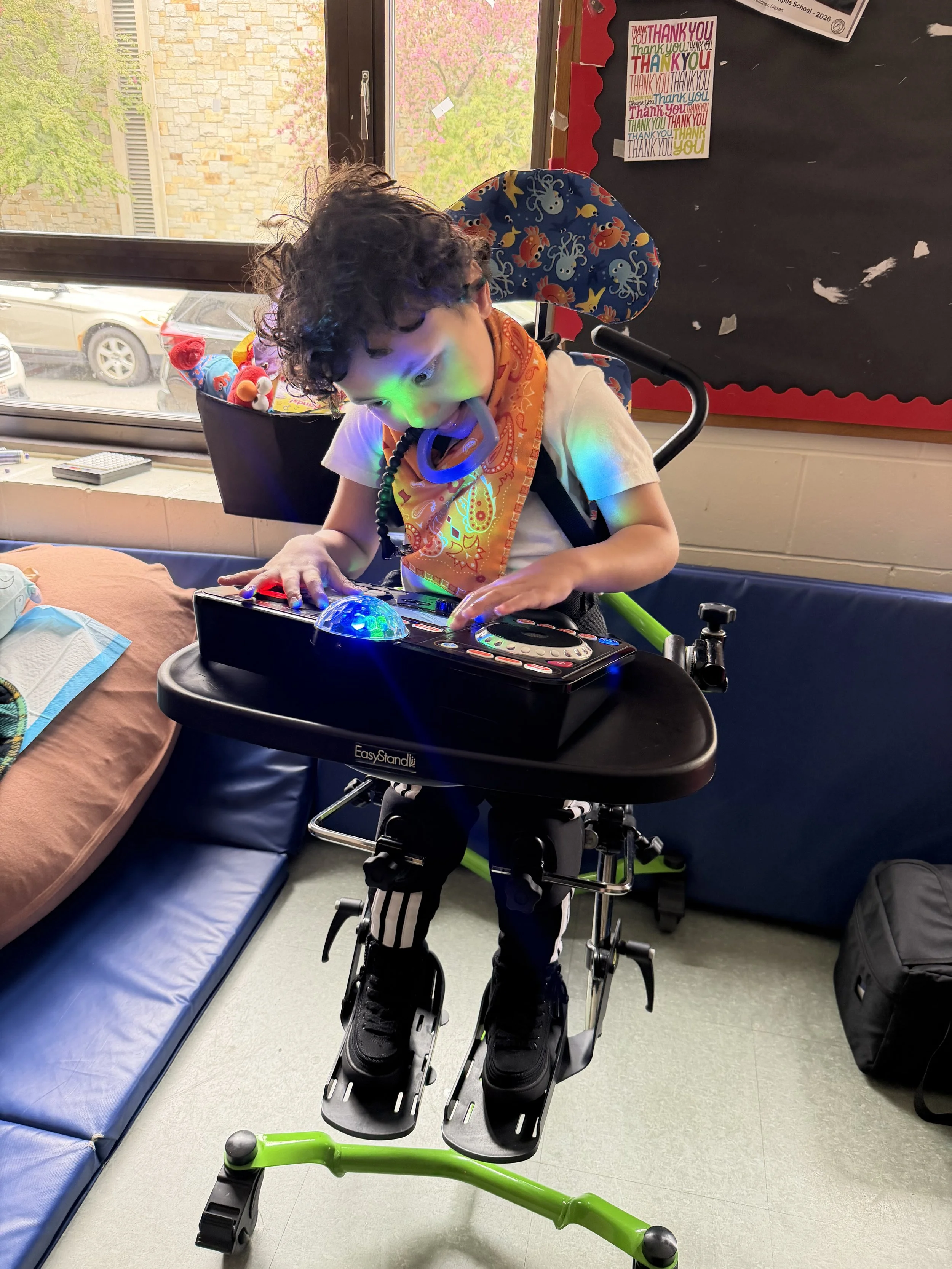
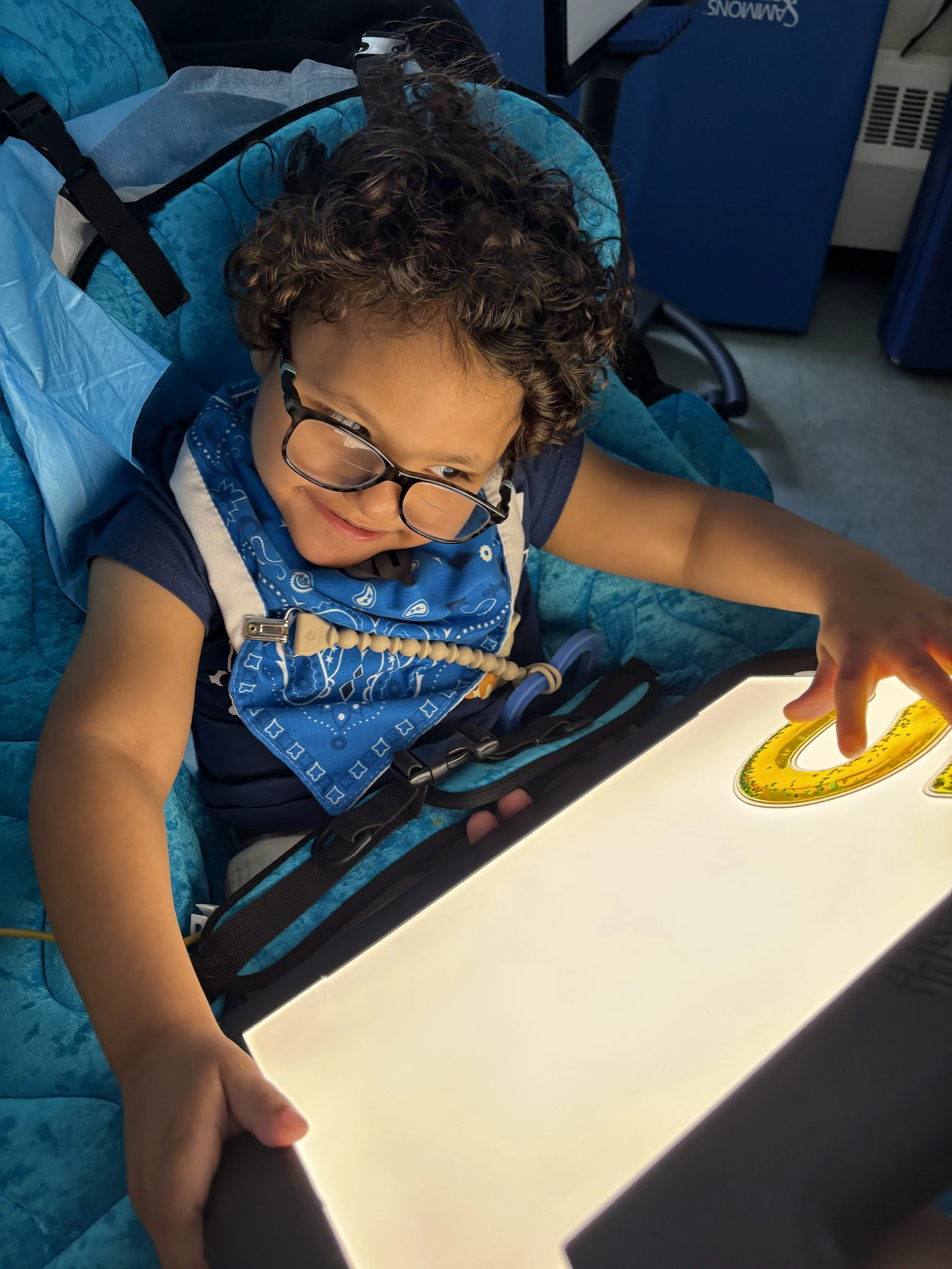
Another major challenge for him has been swallowing difficulties and the risk of aspiration. He initially required an NG tube and later a G-tube, both of which have been extremely helpful because his low muscle tone and physical disabilities also make it difficult for him to take in enough calories safely by mouth. In addition, he developed cataracts at 14 months old and required ear tubes. Because he never learned to walk, his hip structure and development were affected, leading to preventative hip surgery. He is nonverbal, which creates significant communication challenges. Luckily we were able to get him an eye gaze device and he continues to learn how to use assistive technology to communicate.”
Can you tell me more about what Kamasi is like? What are some of his favorite things?
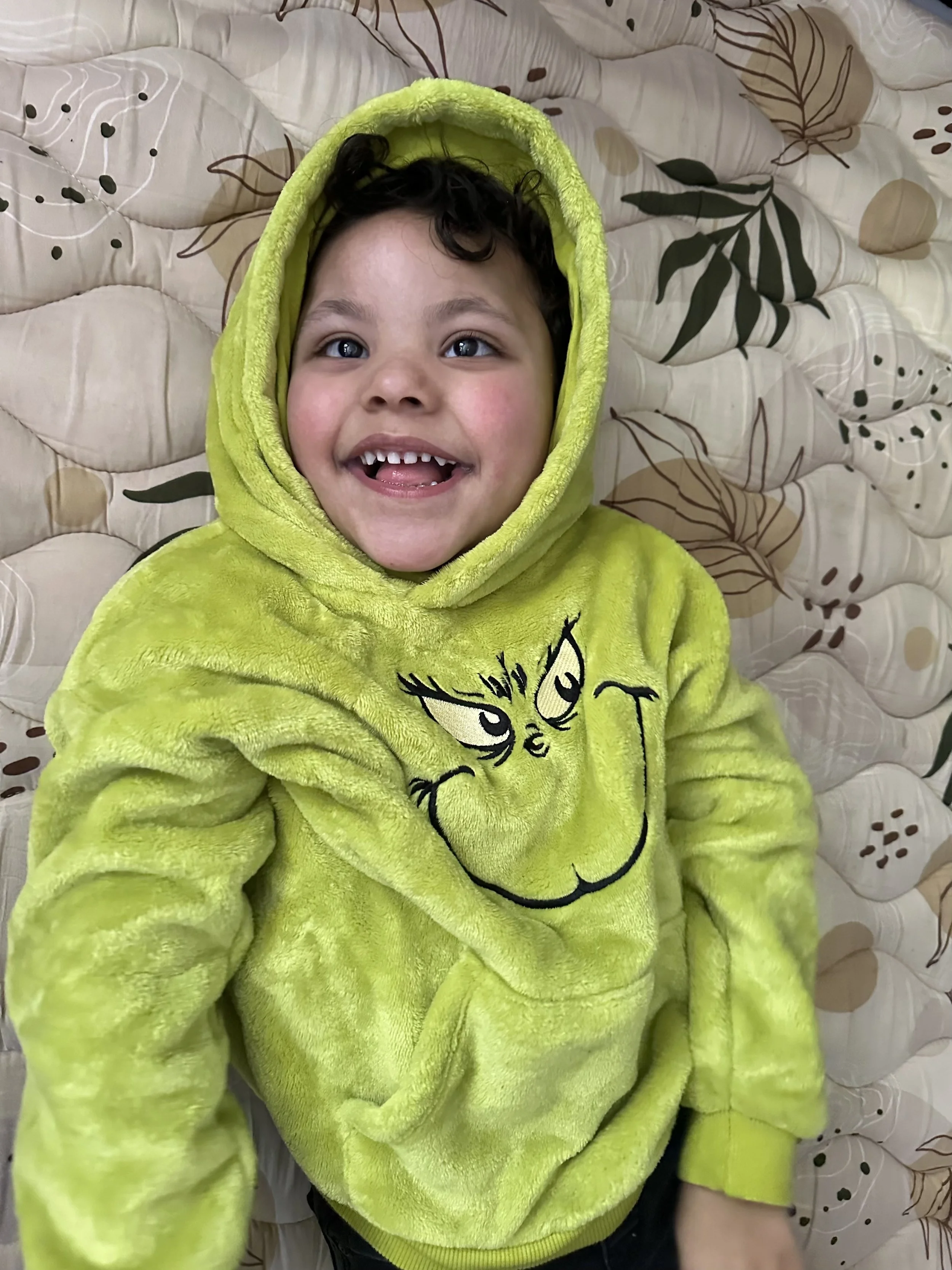
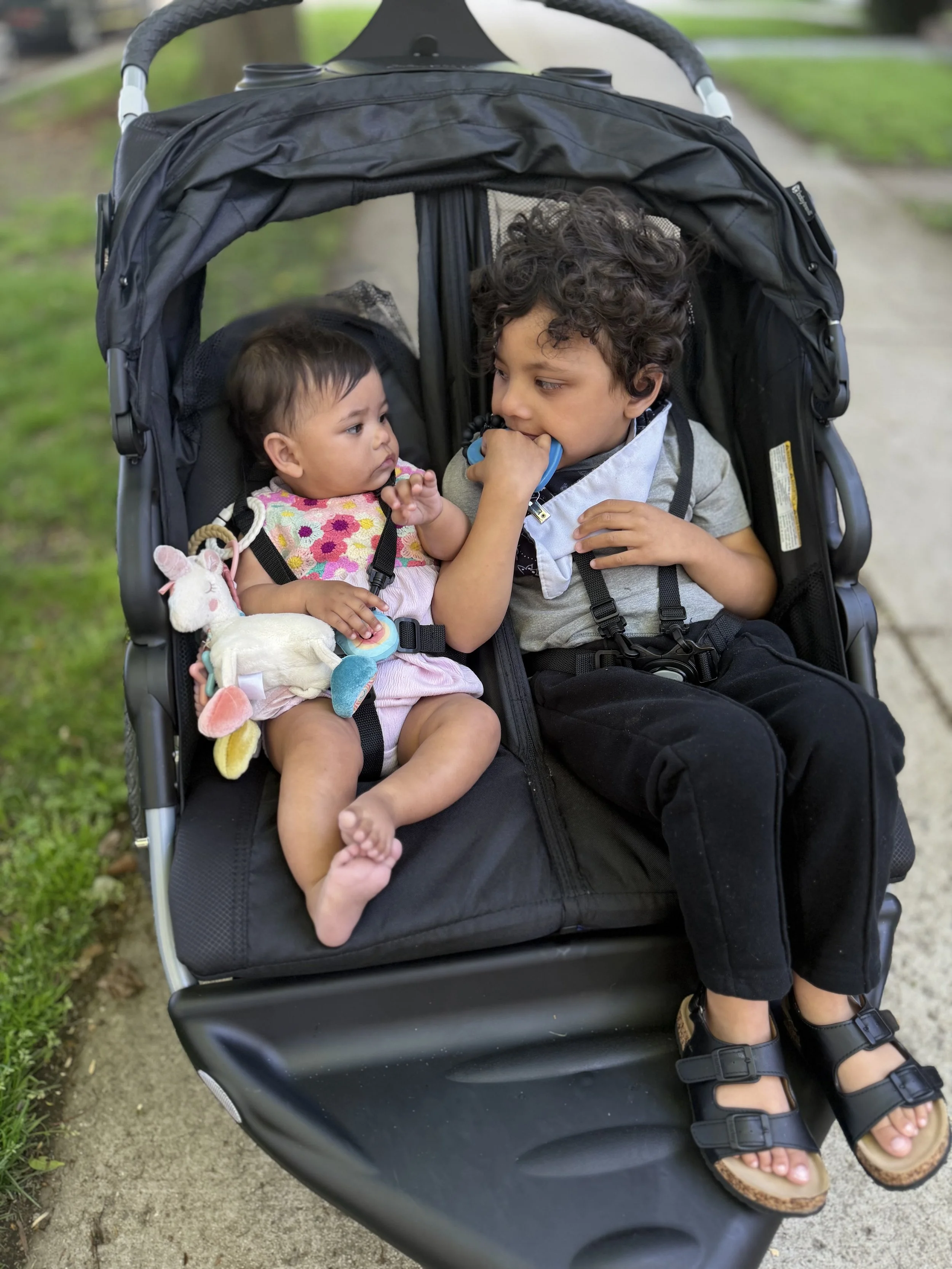
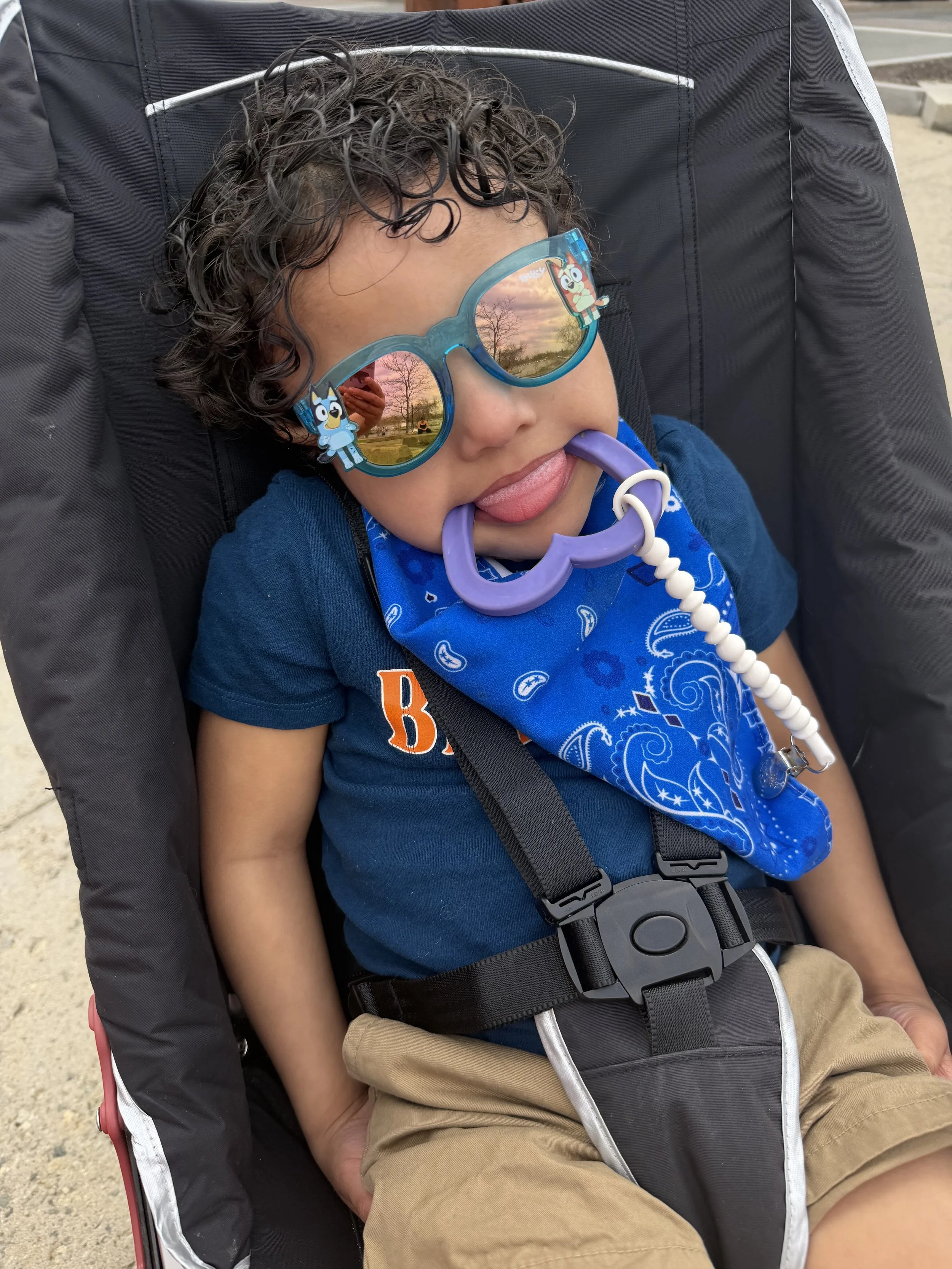
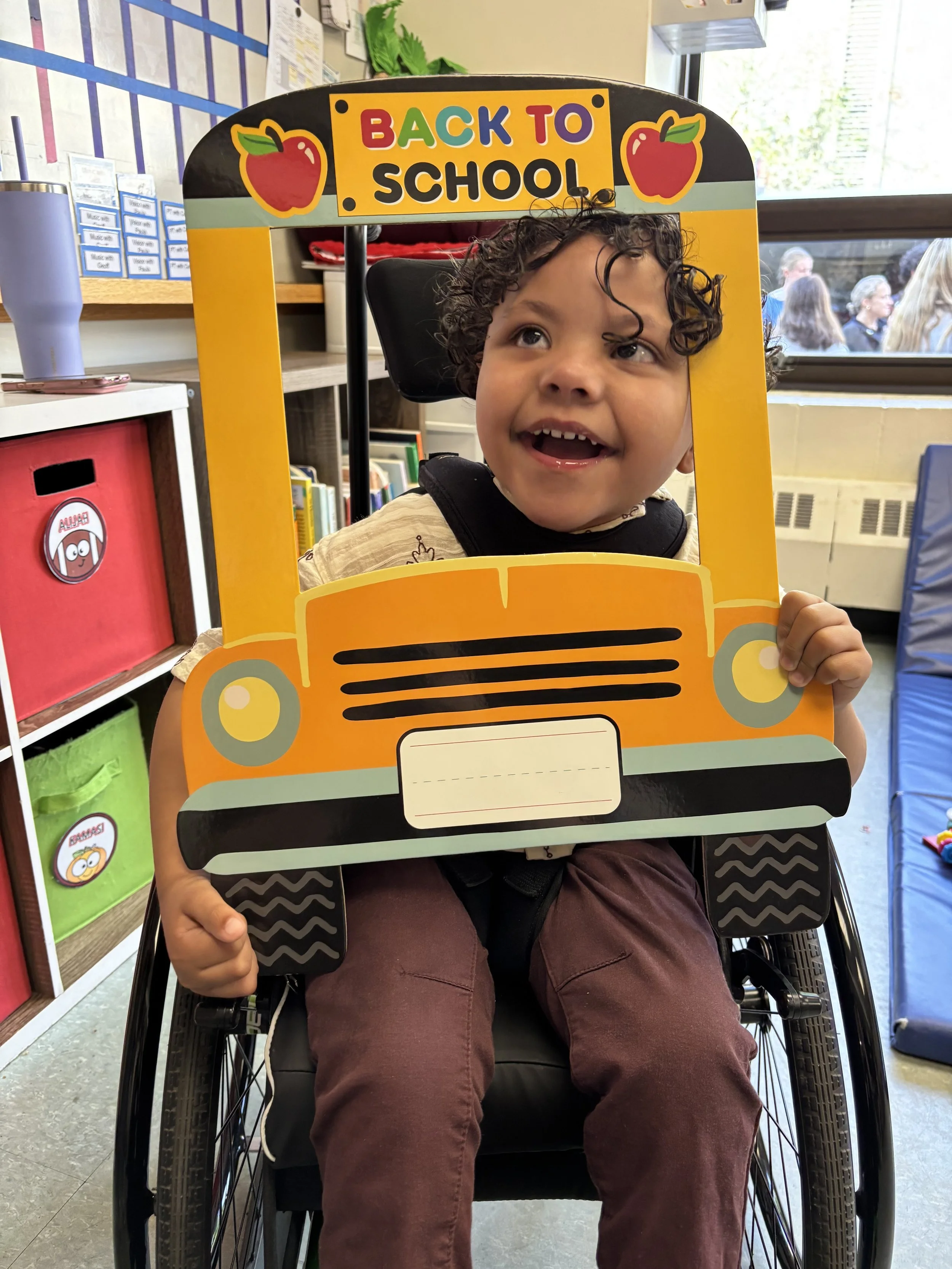
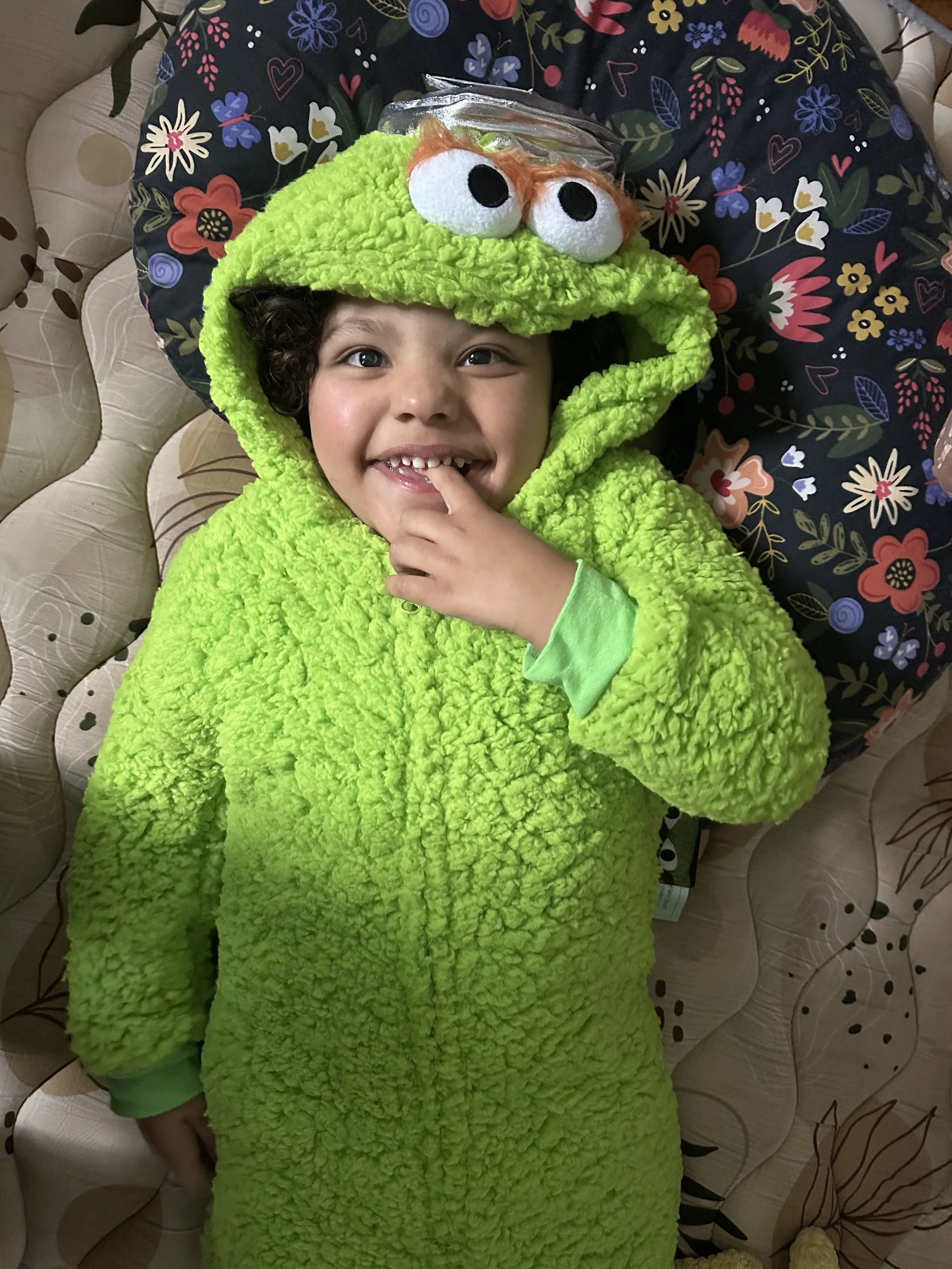
“Kamasi is such a sweet, lovable boy. He loves the swings, reading books, cuddling, musical instruments, music and his favorite toys. He likes his independent play, but he loves his individualized attention. He absolutely loves school, his teachers and other staff there. I tell his teacher that school is his happy place! He even loves his bus driver and taking the bus to school each day. I think it’s a feeling of independence for him. He loves his family, especially playing with dad who makes everything fun. Having a new sister and sharing mom and dad’s attention with her has been a challenge, but more recently he has been reaching out to her and trying to play. He also loves watching his movies, like Rio, Encanto, Coco, Elemental and the Grinch.”
What has your experience been like connecting with others within the DYNC1H1 community?
“We were connected through our neurologist with another family in our area whose child also has a DYNC1H1 variant. Our children attend the same school and are even in the same class, and I’m incredibly grateful for my relationship with the child’s mom. Her child is slightly older than Kamasi, so in many ways she has already navigated different experiences before us. While our children share many similarities, each also has their unique challenges.
I’ve also connected with other parents of children with the same variant through email and phone calls. It was fascinating to compare experiences and recognize both the similarities and differences. The most consistent similarities seemed to be cataracts and epilepsy. Connecting with these families and hearing their stories was incredibly helpful to me. One thing I’ve come to understand is that gene mutations can present so differently from person to person. When I first connected with parents whose children had the exact same variant, I thought I might find someone whose child would closely mirror Kamasi’s experience — almost like a blueprint for what to expect. But every child has developed differently and experiences their own unique symptoms and challenges. I think one of the hardest parts of living with a rare disease is the isolation that comes with it. You already feel alone because the condition is so uncommon, but even within the same specific mutation, no two experiences are exactly alike. In many ways, that can feel even lonelier.”
What have been some of the resources that have been the most helpful to you?
“I’ve connected with a close group of about 10 other medical moms in my area, all of whom have children with varying disabilities. Over time, we’ve become an incredibly supportive community for one another. Many of the challenges Kamasi has faced are things that someone else in the group has already experienced with their own child, which has been invaluable. A lot of our children share similar medical journeys — infantile spasms, epilepsy, swallowing difficulties, vision issues, and more. Whenever something new comes up with Kamasi, I know I can reach out to these moms for support, guidance, and practical advice. Connecting with other medical moms has truly been life-changing for me because raising a child with complex medical needs can feel incredibly isolating. Having a community — especially one that genuinely understands what you’re going through — is priceless. It reminds you that you are not navigating this alone.
Through our state, we also have access to a children’s palliative care program that provides supportive services focused on improving quality of life. Through that program, we’ve been able to access social work support, respite assistance, and music therapy, which is one of Kamasi’s favorite activities.
Financial assistance has also been critical when we can access it. For example, we currently need to install a ramp in our home, so I’m working to find funding resources for that. We also receive Medicaid coverage through MassHealth and the Kaileigh Mulligan program. One of the most valuable supports that comes with that is access to a personal care assistant. Having someone who can come help care for Kamasi for 30 hours a week has made an enormous difference for our family.”
What has been your experience like having another child after having Kamasi?
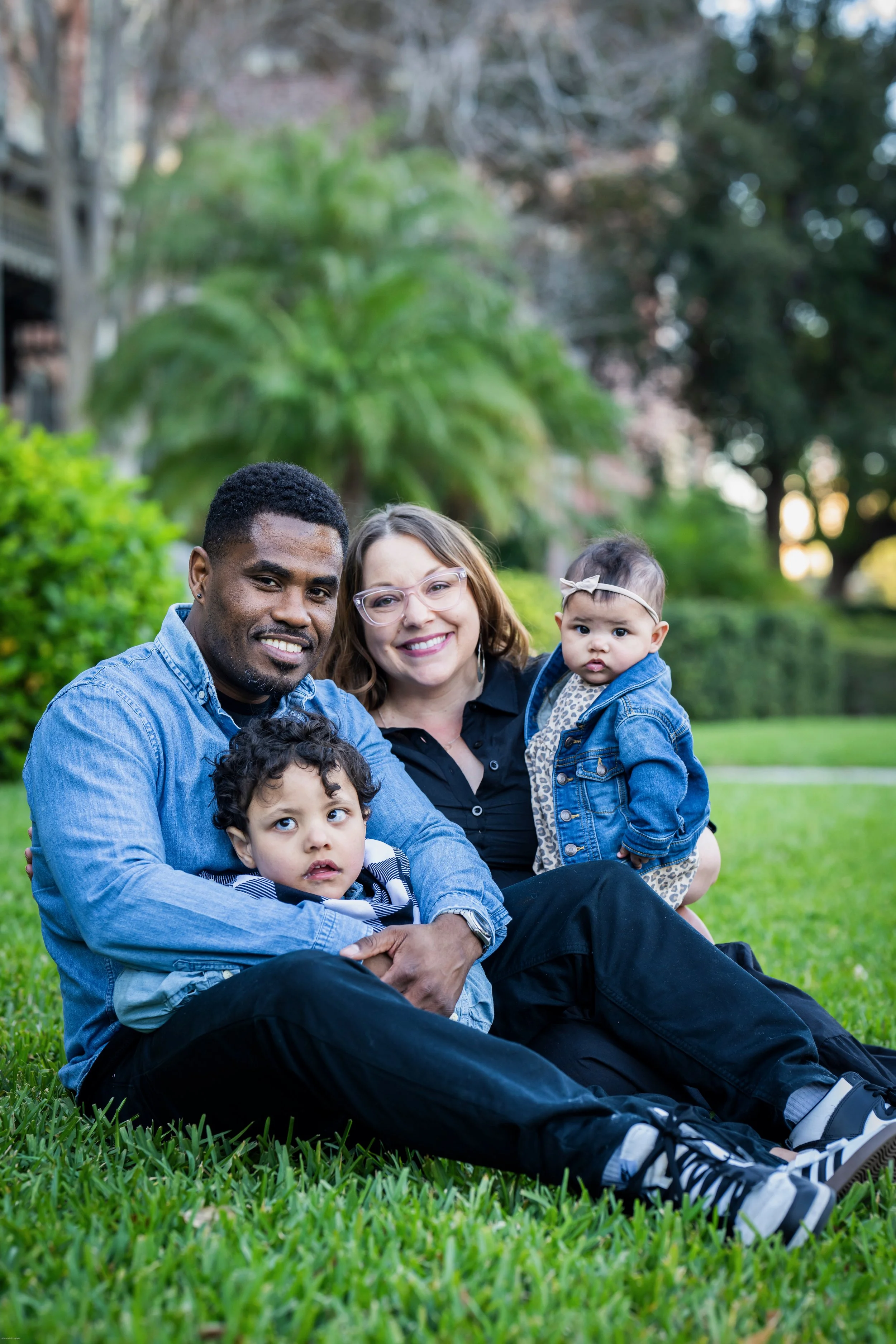
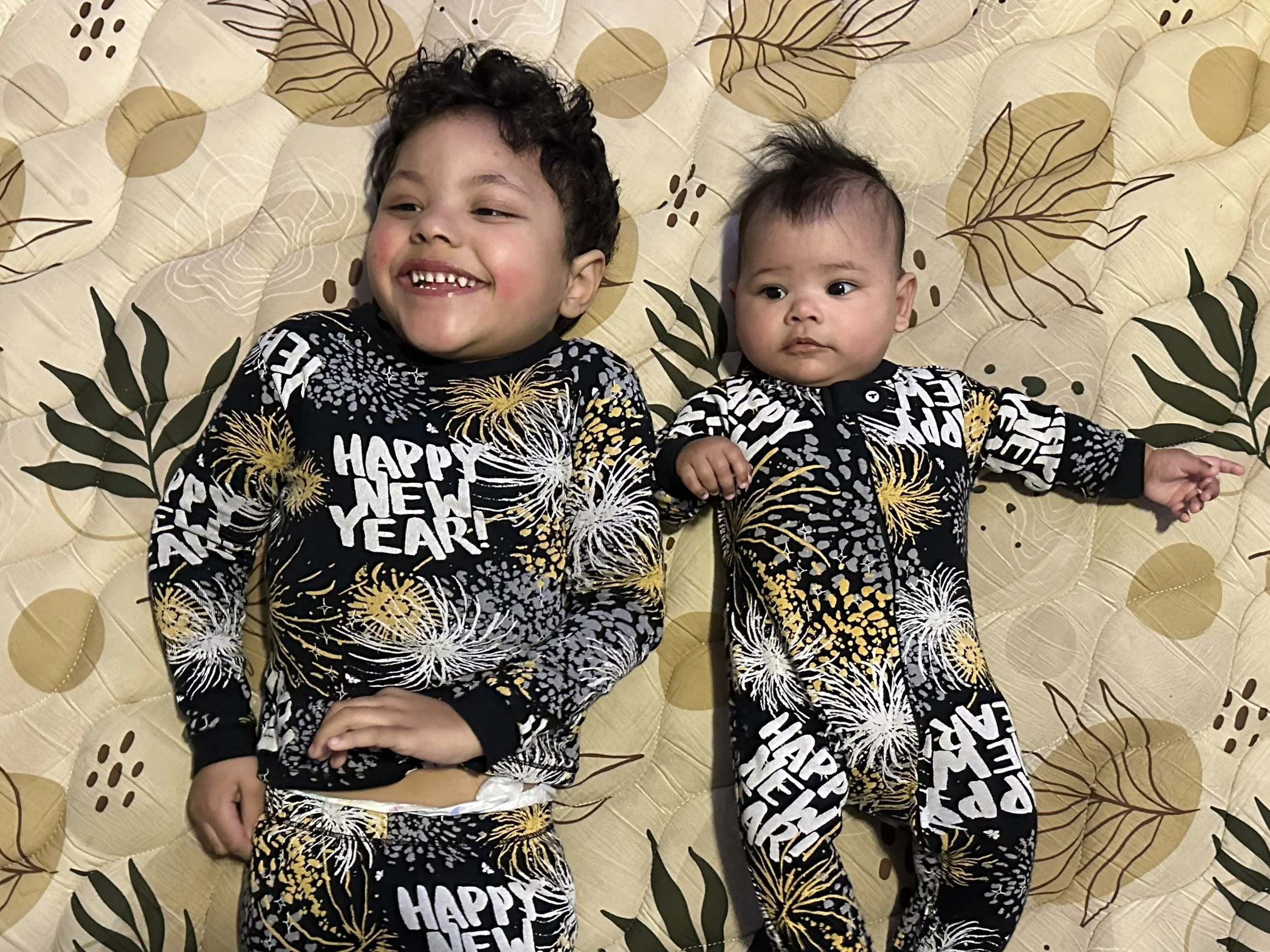
“Our daughter was born a week after Kamasi’s 4th birthday. There was a time when I wasn’t sure if we would have another child because I was so afraid. Not necessarily of her having the same gene mutation, but now I was in this whole new world and knew about all the many things that can happen. We decided that it would be worth it, and we did prenatal testing to confirm that she did not have the variant which was helpful. But there are no guarantees in this life, anything can happen to any of us at any time. She’s currently 8 months and doing great. She has truly been such a wonderful addition to our family. I think the biggest thing for me is watching their relationship. He has been reaching out to her and showing her love in his own sweet way. I think she’s really going to help push him developmentally in ways we are excited to see.”
What has been challenging to explain to other people about Kamasi or is there anything that you wish people understood more about his condition?
“I think, overall, there is still a lot of ignorance and ableism in our society. Many times, people ask questions not because they need to know, but because they are curious or looking for reassurance that something like this could never happen to them. One of the hardest parts is when people look at you with pity. I want people to understand that they do not need to feel sorry for me. So often, people say things like, “You’re so amazing,” or “You’re so strong and brave.” But I didn’t choose this or ask for it to happen. I’m not brave — I’m simply being a parent and loving my child just like any other parent does. What I want people to know most is that Kamasi is here, and he deserves the chance to live as normal and joyful a life as possible. He deserves happiness, love, and the opportunity to simply be a kid.”
How has the DYNC1H1 Association impacted your journey?
“When Kamasi was first diagnosed, the association wasn’t established yet. So, when he was newly diagnosed, we received very little information from the doctor, and there was limited information online. That was really challenging for me, because I needed that information and it just wasn’t available. So now when I look at the website and see all the educational resources and statistics about the condition it is amazing. I’m currently part of the patient/parent advisory committee (PPAC) and it was really import to me to help with that. It is very terrifying when you are first diagnosed and know nothing, so I want to be able to help future parents so that they do not go through that in the same way we did.”
What advice would you give to a parent whose child has been newly diagnosed?
“You really just don’t know what things are going to be like, and there’s no blueprint for what your child will experience. On the medical side, the most helpful thing is just knowing what to look out for. For example, our provider never sent him for a hip x-ray. I advocated for a new doctor who explained to us that kids that don’t walk should have their hips routinely monitored and sent him for an x-ray right away. Once we got the results we were surprised to learn he would need surgery in the upcoming months. So, if I had known that children not walking by approximately a year should have routine hip x-rays, I could have advocated for him earlier. And we would have had more time to understand and prepare for eventual hip surgery. Another example is that when Kamasi was first diagnosed I happened to see a post from a parent talking about their child who had developed cataracts. Because of this I spent too much time looking at his eyes, but I was able to spot them early on. I got him into see an ophthalmologist right away and surgery was scheduled for the next month.
There is also the whole mental health aspect of it. Your child was just diagnosed and you realize your life is not going to be the way you envisioned it. To be honest, I struggled with this for some time. And while it often sounds patronizing when people say “everything is going to be all right” the truth is you will reimagine your life in a different way and you will make it work. You and your family will experience happiness and joy again and a unique rhythm that works best for your family. It might not be a quick journey, but we will all make it there in our own way in our own time.”
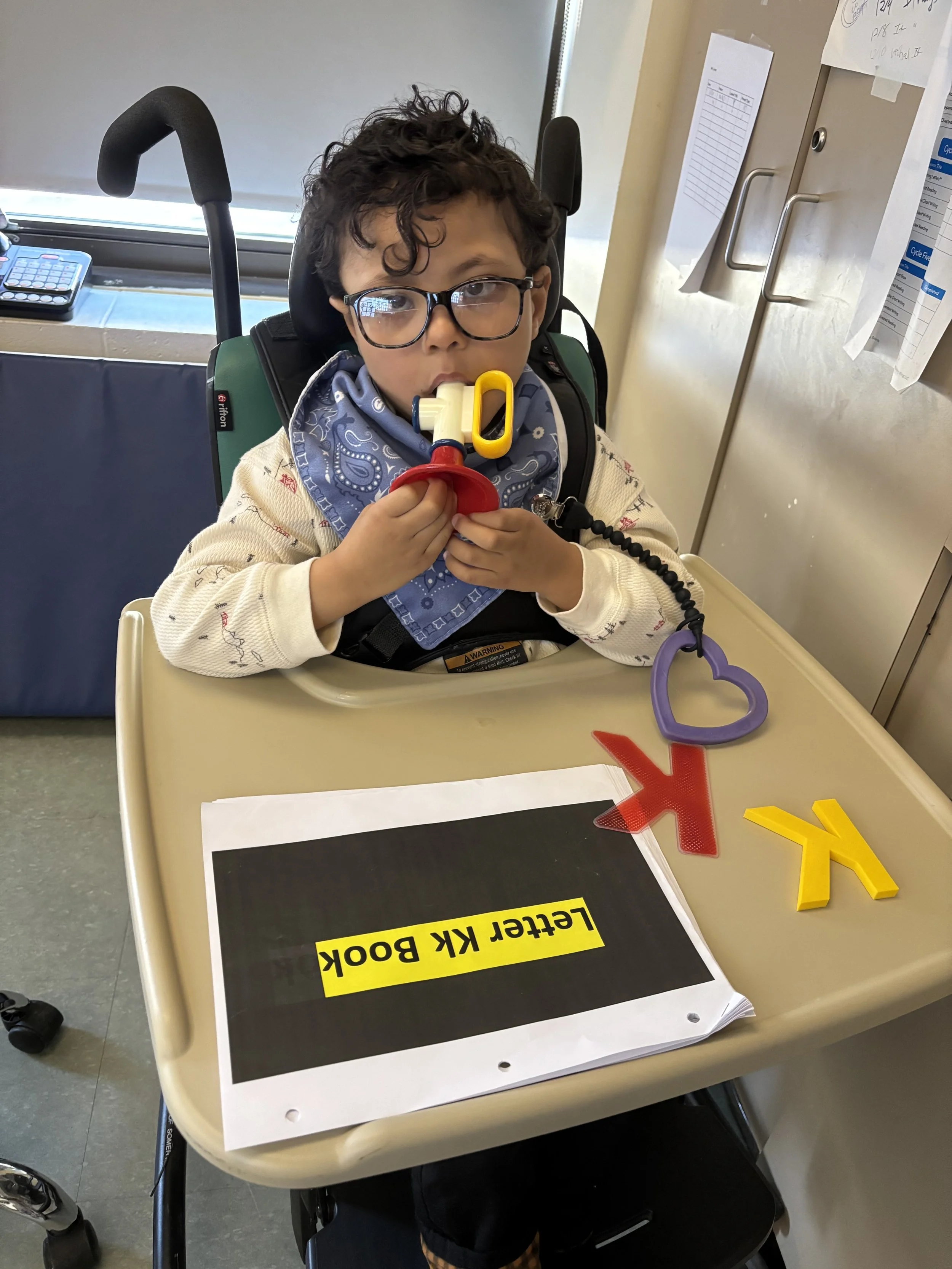
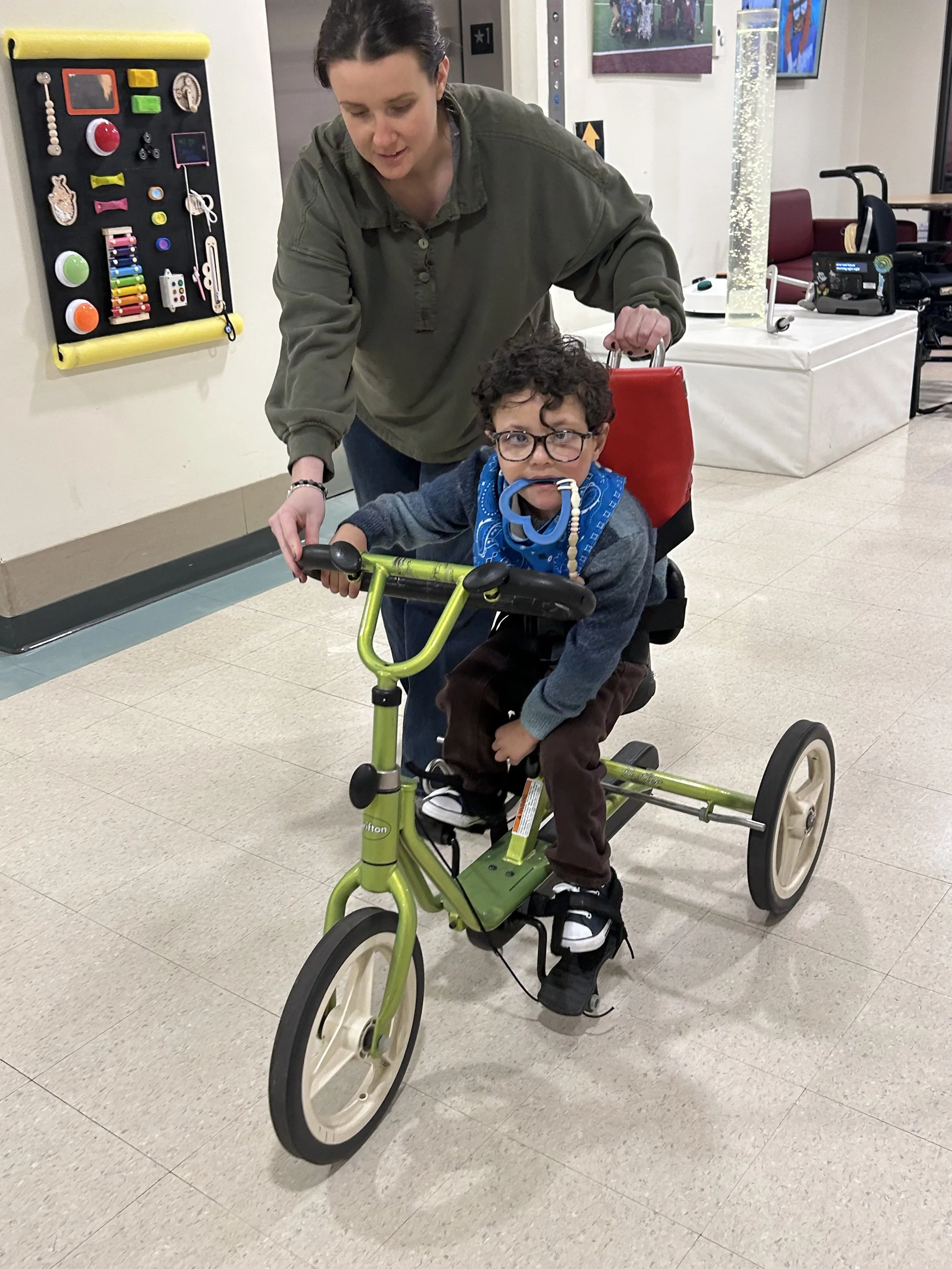
We thank Caroline for conducting the interview, as well as Kamasi & his mom, Katie, for sharing their experiences. If you are a family interested in sharing your story, we’d love to hear from you! Email us at contact@dync1h1.org.
Want to support finding cures for people like Kamasi? Donate to the DYNC1H1 Association, the only 501c3 Nonprofit dedicated to accelerating research for treatments in DYNC1H1-related Disorders.